Architectural vs 3-Tab Shingles: Which Is Worth It in South Texas?
· By Andres Alanis, Alanis Roofing
If you are replacing a shingle roof, one of the first decisions is the type of shingle. For most homes the choice comes down to two products: traditional 3-tab shingles and architectural shingles, which are also called dimensional or laminated shingles.
They are both asphalt shingles, and from the street they may look similar at first glance. Up close, and over 20 years of Texas weather, they are not the same product. This guide breaks down the differences so you can decide with real information instead of a sales pitch.
How they are built
A 3-tab shingle is a single flat layer of asphalt with cutouts that make it look like three separate tabs. Every tab is the same size, so the roof has a uniform, flat, brick-like pattern.
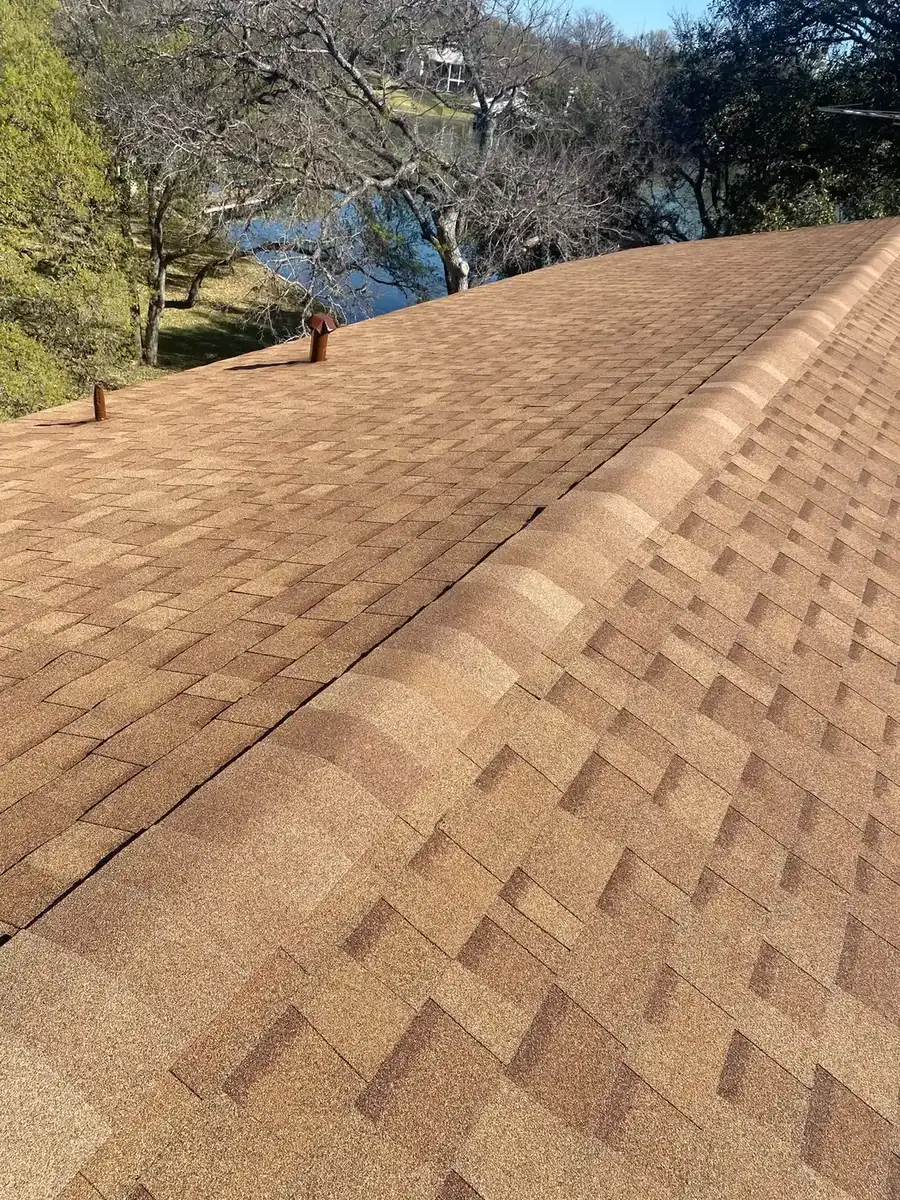
An architectural shingle is made of two or more layers laminated together. The bottom layer and the cut top layer create shadows and depth, so the roof looks more textured, closer to wood shake or slate. Because of the extra layers, architectural shingles are heavier and thicker.
That extra material is the reason most of the other differences exist: weight, wind resistance and lifespan all follow from how the shingle is built.
Wind and hail: why thickness matters here
South Texas sees strong spring storms, gusty fronts and hail. Wind resistance is listed on each product's packaging, and in general architectural shingles carry higher wind ratings than 3-tab shingles. Many 3-tab products are rated for lower wind speeds, while many architectural products are rated for considerably higher speeds when installed to the manufacturer's specifications.
Thickness also helps with hail. No standard asphalt shingle is hail proof, and a large hailstone can damage any of them. But a thicker, heavier shingle generally holds up better to moderate hail than a thin single-layer one. If hail resistance is a priority, ask about impact-rated shingles, which are tested specifically for it.
Lifespan in Texas sun
Manufacturers often market 3-tab shingles with shorter expected lives and architectural shingles with longer ones, such as 30-year products. Real-world life depends on attic ventilation, installation, roof color and how much direct sun the roof gets.
In our climate, heat and UV are hard on asphalt. A poorly ventilated attic can cook shingles from below while the sun bakes them from above. As a broad guide, many 3-tab roofs here start showing their age somewhere in the 12 to 20 year range, while architectural roofs with good ventilation commonly last longer.
Whatever shingle you choose, ventilation details like a ridge vent, turbines or attic fans make a real difference in how long it lasts.
Looks and curb appeal
This part is a matter of taste, but most homeowners prefer the depth of architectural shingles. They hide small imperfections in the roof deck better and give a brick ranch home or a newer build a more finished look.
3-tab shingles have a clean, simple look that still suits some older homes, sheds and rentals. They are also becoming harder to find in some color lines, as many manufacturers now focus on architectural products.
Cost: what the difference usually looks like
Architectural shingles typically cost more than 3-tab shingles, both for the material and sometimes for installation. Across the market, the difference on a full roof replacement is often modest compared with the total job, commonly in the range of a small percentage of the overall price, because labor, tear-off, underlayment, flashing and vents are the same either way.
Since they tend to last longer and handle wind better, many homeowners find architectural shingles cost less per year of service. 3-tab can still make sense for a shed, a rental you plan to sell soon or a very tight budget.
Your real price depends on roof size, pitch, layers to remove and deck condition. A free estimate is the way to compare both options for your own house side by side.
Installation details matter as much as the shingle
A premium shingle installed poorly will not outlast a basic shingle installed well. The parts of the roof you do not see from the street do a lot of the work: the underlayment under the shingles, drip edge along the eaves, flashing at walls and chimneys, pipe boots around plumbing vents and a properly installed ridge cap.
Nailing matters too. Each shingle type has a nailing zone set by the manufacturer, and nails placed too high, too low or driven crooked can let shingles lift in the wind. On a hot South Texas day, crews also need to handle architectural shingles carefully so they do not scuff the softened surface.
Ventilation ties it all together. A balanced system, with intake at the eaves and exhaust at the top through a ridge vent, turbines or a solar attic fan, keeps heat from building up under the deck. When you compare estimates, ask how each roofer plans to handle these details, not just which shingle they will use.
Which one we usually recommend
For most homes in Devine, San Antonio, Castroville and the rest of South Texas, architectural shingles are the better value. The added thickness and wind resistance fit the weather we get, and the look adds to the home.
That said, the right answer depends on your house, your budget and how long you plan to stay. At Alanis Roofing, Andres walks every roof and explains the options honestly, including when metal roofing might be worth a look instead. Estimates are free.
Frequently asked questions
- Are architectural shingles worth the extra cost?
- For most homeowners, yes. They usually last longer, resist wind better and look more finished, while the price difference on a full replacement is often a small part of the total.
- Can you mix 3-tab and architectural shingles on the same roof?
- They are different thicknesses and look different, so mixing them on the same roof plane is generally not recommended. Repairs are best done with a matching product.
- Are 3-tab shingles being discontinued?
- Many manufacturers have reduced their 3-tab lines and focus on architectural shingles. Availability varies by product and supplier, so ask your roofer what is currently available.
- Do architectural shingles hold up to hail?
- They generally hold up better than thin 3-tab shingles to moderate hail, but no standard shingle is hail proof. Impact-rated shingles are designed specifically for better hail resistance.
- What shingles does Alanis Roofing install?
- We install 30-year shingle roofs and can discuss the options for your home during a free estimate. Call (210) 318-9811.
Related services
Found this helpful? Make us a preferred source on Google.
Want a real number for your roof?
Andres comes out, looks at your roof and gives you a free estimate. No visit fee, same-day reply.