
The Best Time to Replace a Roof in Texas (Season by Season)
· By Andres Alanis, Alanis Roofing
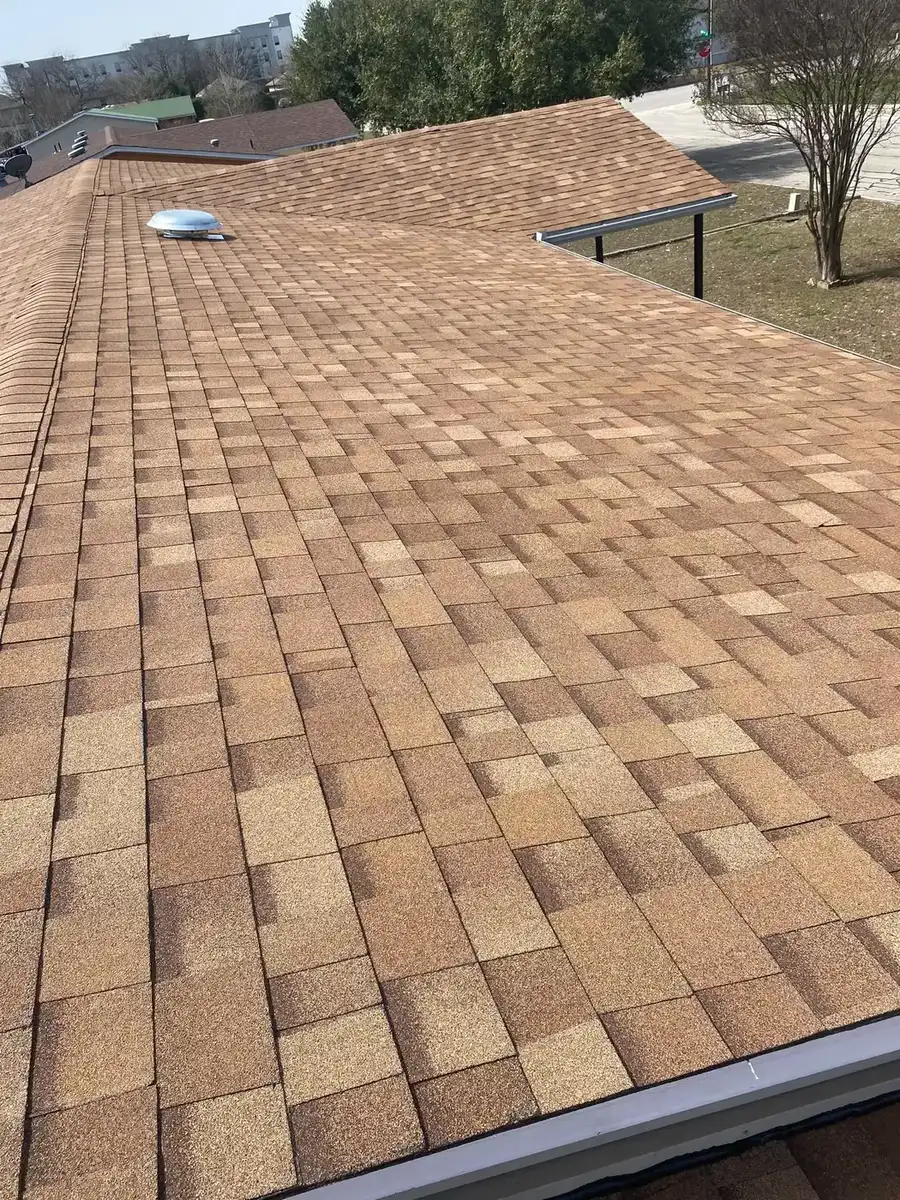
In much of the country, roofing has a short season. South Texas is different. Winters are mild, so roofs get replaced here all year long. But each season still comes with its own tradeoffs: storms, heat, scheduling backlogs and how materials behave.
If your roof is near the end of its life and you have some flexibility, timing the job well can make it go smoother. This guide walks through the year in San Antonio and the surrounding towns and explains when replacement tends to work best.
Fall: often the sweet spot
For many homeowners, September through November is the most comfortable window. The worst of the summer heat has passed, spring hail season is over, and the weather is usually steady enough to plan around.
Moderate temperatures are good for asphalt shingles. They need warmth to seal properly, but extreme heat makes them soft and easier to scuff during installation. Fall usually gives crews long, workable days without either problem.
Fall also gives you a new roof before winter fronts and the next spring storm season. The one thing to watch is demand: if there was a big hail event earlier in the year, roofers may still be working through a backlog, so calling early helps.
Winter: mild, and often easier to schedule
Texas winters are mild enough that roof replacement continues through December, January and February. Many days are perfectly fine for roofing.
The main issues are the occasional cold front or freeze. Shingles installed in cold weather may take longer to seal, and some products have minimum temperature recommendations for installation. A careful roofer simply works around the cold days.
Winter is often a slower season for roofing demand, which can mean more flexible scheduling. If your roof is aging but not leaking, winter can be a smart time to get it done before spring storms arrive.
Spring: hail season and high demand
Spring is beautiful in South Texas, but it is also the heart of severe weather season. Strong storms, heavy rain and hail are common from roughly March through June across the region.
Two things follow from that. First, roofing demand spikes after a major hailstorm, and schedules fill up fast. Second, rain days interrupt work more often, so a job may take a few extra days.
If your roof was damaged by a spring storm, do not wait for a better season. Get it inspected, document the damage and get temporary protection in place. A damaged roof gets worse with every storm after it.
Summer: workable, with early starts
Roofs absolutely get replaced in the Texas summer. Experienced crews start early in the morning, take breaks during the hottest part of the afternoon and handle shingles carefully, since asphalt softens in extreme heat.
Metal roofing is less affected by heat during installation, so summer can be a fine time for a metal roof. Flat roofs with TPO or roll roofing can also be installed in summer with good planning.
Summer storms tend to be short and intense, so crews keep an eye on the radar and keep the roof protected at the end of each day.
When timing should not wait
Season matters much less than condition. If you have active leaks, missing shingles, soft spots in the decking, granules piling up in the gutters or obvious hail damage, the best time to replace the roof is as soon as you reasonably can.
Waiting on a failing roof usually means more damage to decking, insulation and ceilings, which turns into a bigger bill later. Emergency repairs can buy time, but they are not a long-term fix for a roof at the end of its life.
How to prepare for replacement day, any time of year
Whatever season you choose, a little preparation makes the job easier. Move vehicles out of the driveway and away from the house, since debris and material deliveries need room. Take down wall decorations and fragile items on walls that share the roof framing, because hammering and tear-off can shake them loose.
Cover or move items in the attic if it is used for storage, as dust and small debris can fall through during tear-off. Let neighbors know about the work, especially if you share a driveway or fence line. If you have pets, plan to keep them inside or away from the work area.
Talk with your roofer about where the dumpster or trailer will go, how they will protect your landscaping and AC unit, and how nails will be cleaned up from the yard and driveway at the end of each day. Asking these questions ahead of time keeps the job running smoothly in any month.
Does the season change the price?
Material prices tend to move with the overall market more than with the calendar. What changes with the season is demand. After a big storm, roofers are busier and scheduling gets tighter. In slower months, you may have more flexibility on start dates.
The best way to know your real cost is a free estimate based on your roof's size, pitch, material and condition. Alanis Roofing gives free estimates with same-day response across San Antonio, Devine, Hondo, Lytle, Castroville and South Texas. Call or text Andres at (210) 318-9811.
Frequently asked questions
- What month is best to replace a roof in Texas?
- Many homeowners find September through November ideal: moderate temperatures, fewer storms and steady weather. In South Texas, winter is also a good option because it is mild and often easier to schedule.
- Can a roof be replaced in the Texas summer?
- Yes. Crews start early, avoid the hottest hours and handle shingles carefully. Metal and flat roofing are less affected by summer heat during installation.
- Is it OK to replace a roof in winter in Texas?
- Yes. Texas winters are mild, and most days are fine for roofing. Roofers avoid installing shingles during cold snaps so they can seal properly.
- How long does a roof replacement take?
- Many residential roof replacements take one to a few days, depending on the size of the roof, the material, the number of layers being removed and the weather.
- Should I wait until fall if my roof is leaking now?
- No. An active leak should be repaired right away. Waiting can damage decking, insulation and ceilings. Alanis Roofing offers 24/7 emergency roof repair.
Found this helpful? Make us a preferred source on Google.
Want a real number for your roof?
Andres comes out, looks at your roof and gives you a free estimate. No visit fee, same-day reply.