
Hail Damage on Your Roof in San Antonio: What to Do Next
· By Andres Alanis, Alanis Roofing
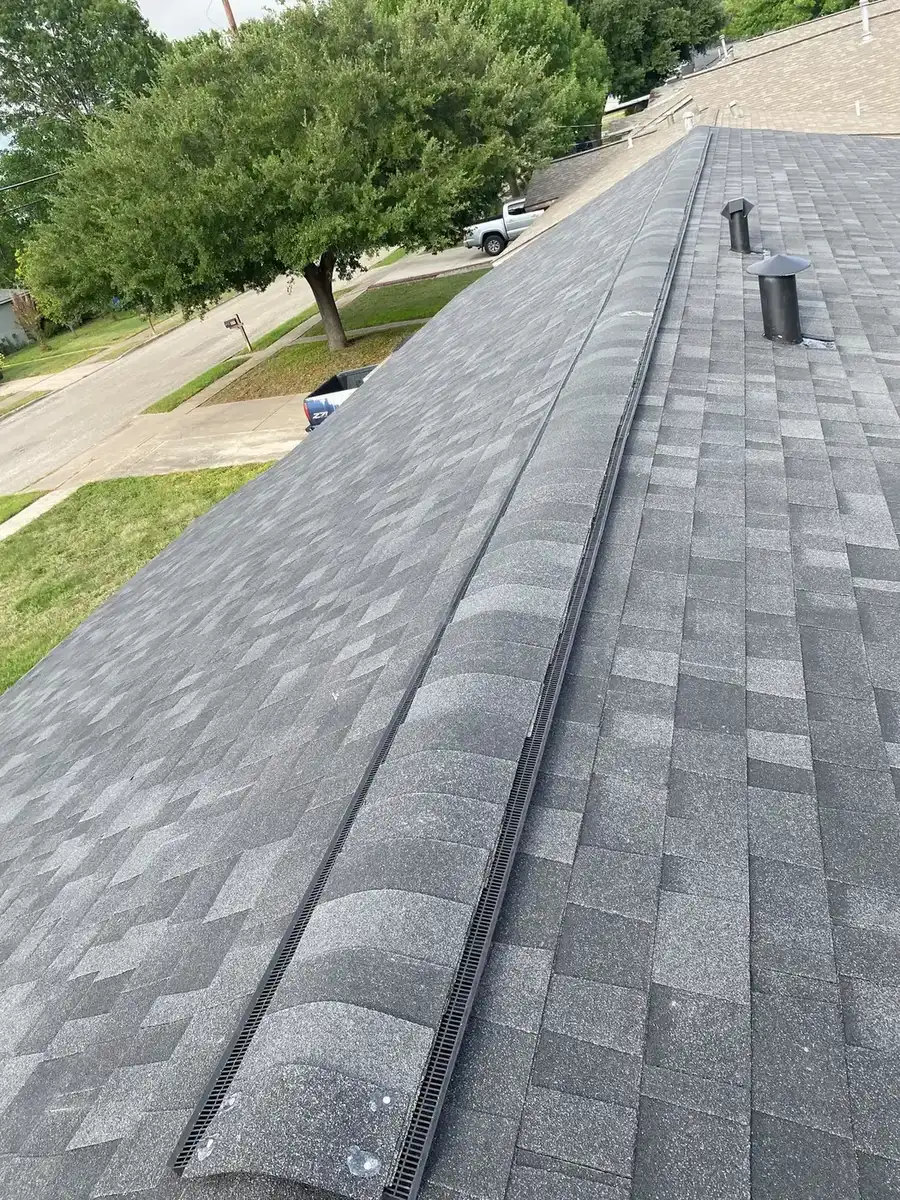
San Antonio and the rest of South Texas get their share of hail, especially in spring. One storm can pass through in ten minutes and leave a whole neighborhood with damaged roofs, dented cars and broken skylights. In the days after, your phone and your front door can get busy with offers to fix your roof.
This guide covers what to do after hail hits your home: how to look for damage safely, what to document, when to call a roofer, how to handle the conversation with your insurance company, and how to avoid the storm chasers who show up after every big storm.
First, stay safe and stay off the roof
Do not climb onto the roof yourself after a storm. Wet shingles and metal are slippery, and damage may not be visible from up there anyway. Start from the ground and from inside the house.
If water is actively coming in, move belongings, put buckets down, and if you can do it safely, poke a small hole in a bulging ceiling stain so water drains into a bucket instead of bringing the ceiling down. Then call for emergency help.
How to spot hail damage from the ground
Look at the things around your roof first. Dents in gutters, downspouts, metal vents, AC units, mailboxes and car hoods tell you how big the hail was and where it hit. If those took dents, there is a good chance the roof did too.
On shingle roofs, hail can leave dark spots where granules were knocked off, cracks, and bruises that feel soft. You will not always see these from the ground. On metal roofs, look for dents in panels and trim. Inside, check ceilings and the attic for new stains or damp spots over the next few days.
Document everything
Take photos and videos as soon as it is safe: hail on the ground (with something for size, like a coin or a ruler), dented gutters and vents, damaged cars, broken windows, and any leaks inside. Note the date and time of the storm.
Keep a simple folder with these photos, any receipts for emergency repairs, and notes from every phone call. Good records make every next step easier, whether or not you end up filing a claim.
Get a local roofer to inspect
A roofer can safely get on the roof and tell you what is really there: real hail damage, older wear, or both. That inspection gives you facts to work with before you make any decisions.
Choose someone local who will still be around after storm season. Alanis Roofing is based in Devine and works across San Antonio, Castroville, Lytle, Atascosa and the rest of South Texas, with free estimates, no trip fee and same day response. We can tell you what we find and what it would take to repair or replace the roof.
Talk to your insurance company
Your insurance company decides what your policy covers, so contact them directly to ask about the process. Read your policy or ask your agent about your deductible, any time limits for reporting storm damage, and whether they want to send their own adjuster.
Every policy is different, and coverage questions are between you and your insurer. A roofer can show you the condition of your roof and give you an estimate for the work, but the insurer is the one who makes coverage decisions.
Temporary protection while you wait
After a big storm, roofers across the area get busy, so it can take a little time before the permanent work happens. If the roof is leaking or has open spots, ask about temporary protection such as a tarp to keep water out in the meantime. Keep receipts for anything you pay for, and add photos of the temporary fix to your folder.
Inside the house, keep an eye on the ceilings, walls around windows and the attic for a few weeks after the storm. Some hail damage does not leak right away. A shingle that was bruised or cracked can start letting water through during the next heavy rain, so a second look after the following storm is a good habit.
Clear hail and debris out of gutters and downspouts once it is safe, since clogged gutters can push water back under the roof edge. If your gutters or downspouts were bent, note that for the inspection too.
Watch out for storm chasers
After big hail events, crews from out of town often go door to door. Some do fine work, but others disappear once the job is done, which leaves you with nobody to call if a problem shows up later.
Be careful with anyone who pressures you to sign right away, asks for large payments before any work, offers to cover your deductible, or cannot give you a local phone number and references. Take your time, get a real inspection and make your decision with clear information.
Repair or replace after hail?
Minor hail damage on a newer roof can sometimes be repaired by replacing damaged shingles, vents or flashing. Widespread damage, or damage to a roof that was already aging, often makes replacement the better choice.
If you are replacing anyway, it is a good moment to think about the material. Many South Texas homeowners consider metal after hail because it resists punctures better than asphalt shingles. Our metal vs shingle guide compares the two.
Frequently asked questions
- How do I know if hail damaged my roof?
- Check for dents in gutters, vents and AC units, then watch ceilings and the attic for leaks. The surest way is a roofer's inspection, since many hail marks are not visible from the ground.
- Should I call my insurance company or a roofer first?
- Many homeowners do both. Contact your insurer to understand your policy and the process, and have a local roofer inspect so you know what damage is really there.
- Does Alanis Roofing handle insurance claims?
- Coverage decisions belong to your insurance company. Alanis Roofing can inspect your roof, explain what we find and give you a free estimate for the repair or replacement.
- What if hail caused a leak tonight?
- Protect your belongings and call (210) 318-9811. Alanis Roofing takes emergency roof calls 24/7.
- Can hail damage a metal roof?
- Large hail can dent metal panels, but metal resists punctures much better than shingles, so leaks from hail are less common.
Found this helpful? Make us a preferred source on Google.
Want a real number for your roof?
Andres comes out, looks at your roof and gives you a free estimate. No visit fee, same-day reply.