
Roofing in San Antonio, TX: A Homeowner's Guide to Hail, Heat and Roof Choices
· By Andres Alanis, Alanis Roofing
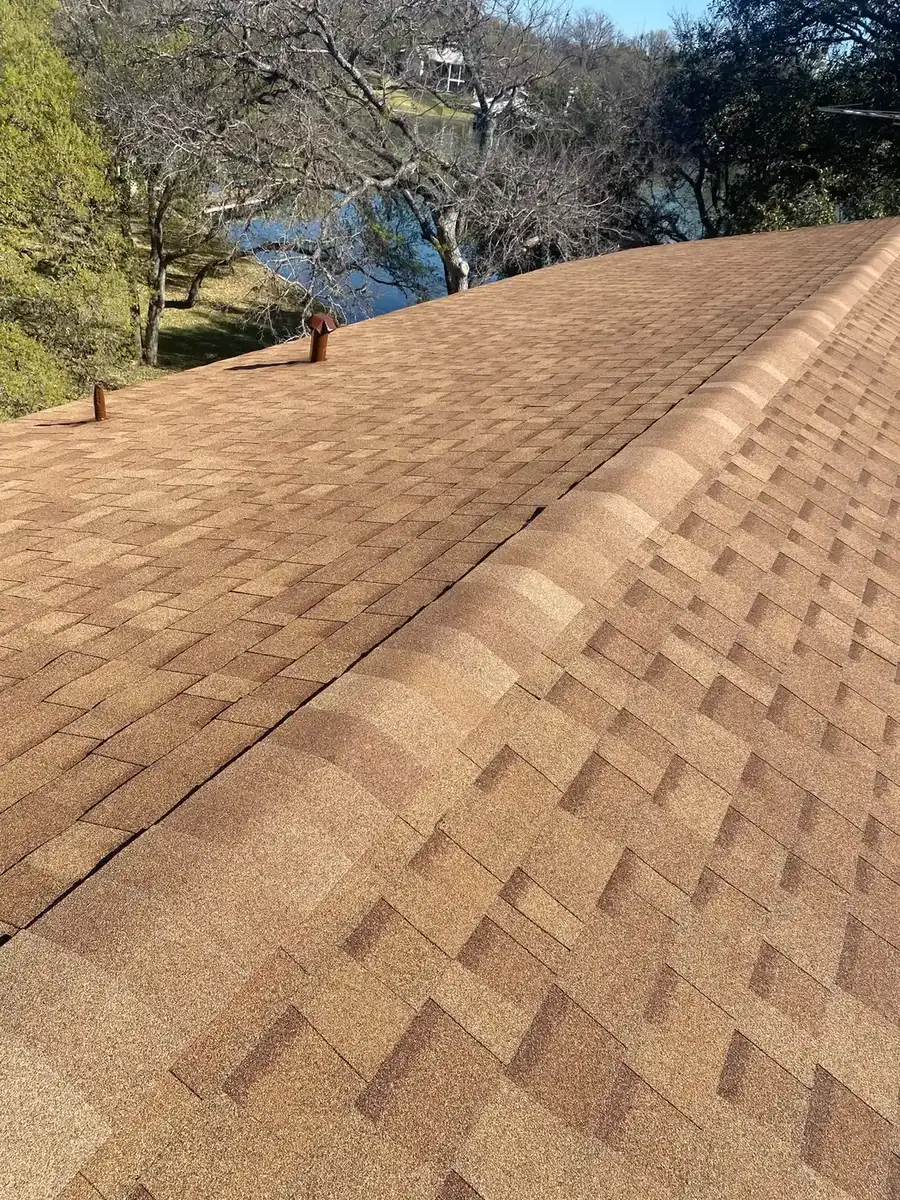
San Antonio is one of the largest cities in the country, and its housing is just as varied. There are older homes in historic neighborhoods near downtown, mid-century brick houses across the inner suburbs, and large master-planned subdivisions with HOAs spreading north, west and south of Loop 1604. Each of those groups has different roofs, different rules and different problems.
What they all share is the weather. This guide explains how San Antonio's hail and heat affect roofs, what roof types you will find around the city, what to know about HOAs and permits, and how to prepare before you ask for an estimate.
Hail Alley's southern edge
Texas leads the country in hail claims in many years, and San Antonio gets its share. Many residents still remember the April 2016 hailstorm, when large hail tore through the north and west sides of the city and damaged a huge number of roofs, cars and windows. It is often listed among the most expensive hail events in Texas history.
Not every spring brings a storm like that, but strong thunderstorms with hail and high wind are a normal part of March through June here. Hail can crack or bruise shingles, knock off granules, dent vents and gutters, and break skylights. Some damage is obvious; some only shows up months later as leaks or bare spots on the shingles.
After a big storm, the city fills with door-knockers offering free roofs. Take your time. Ask for a written estimate, check that the company has a real local phone number and a track record, and never sign anything on the spot.
Heat, sun and the attic problem
San Antonio summers are long, and the urban heat of a big city keeps nights warm too. That constant heat ages asphalt shingles, dries out sealants and makes attics extremely hot. A poorly ventilated attic can push heat back into the roof deck, shorten shingle life and drive up cooling bills.
Good ventilation is one of the cheapest ways to protect a roof here. That usually means intake at the eaves and exhaust at the top, through ridge vents, turbines or attic fans. When a roof is replaced, it is the best moment to fix ventilation that was never right in the first place.
Pay attention to small parts too. Rubber pipe boots around plumbing vents often crack in the San Antonio sun long before the shingles wear out, and they are one of the most common causes of small ceiling stains. Replacing them is quick and inexpensive compared to repairing drywall and insulation.
Roof types you see across San Antonio
Asphalt shingles cover most homes in the city, especially in the subdivisions built over the last few decades. Architectural shingles are the standard choice today because of their thicker look and better wind resistance than older three-tab shingles.
Metal roofing has become more popular in the city, not just in the country. Standing seam in charcoal, bronze or galvalume gives a modern farmhouse look that suits many newer homes, and it is common on additions and porches too. Low-slope and flat roofs are common on commercial buildings, strip centers, carports and some home additions, usually covered with TPO or roll roofing.
Older neighborhoods have their own details: steep roofs, dormers, chimneys and multiple valleys. Those take more care to flash correctly and are where older roofs tend to leak first.
On many of those homes, the original roof was replaced once already, and sometimes the new roof went right over the old one. A second layer adds weight and hides soft decking, so a full tear-off is usually the better choice the next time around.
HOAs, historic districts and permits
Many San Antonio subdivisions have HOAs that control roof color, material or style. Before you choose a metal roof or a new shingle color, get the written guidelines from your HOA and, if needed, submit for approval. It saves a lot of trouble later.
Homes inside the city's historic districts may need review for exterior changes, and roof replacements generally require permits in the city. Rules change over time, so check with the City of San Antonio Development Services Department, and with the Office of Historic Preservation if your home is in a historic district, before work begins. Areas outside city limits or in separate suburban cities follow their own rules.
Repair or replace: how to tell
A roof that is less than ten years old with a small leak or a few blown-off shingles can often be repaired. A roof that is 15 to 20 years old, with granule loss across the surface, curling or cracked shingles, or leaks in more than one place, is usually a better candidate for replacement. Paying for repeated repairs on a worn-out roof adds up fast.
A good inspection should end with a clear explanation and photos, not just a number. If a roofer cannot show you why something needs replacing, ask more questions.
Getting a free estimate in San Antonio
Alanis Roofing is based in Devine and serves San Antonio and the surrounding area. Estimates are free, with no trip fee, and we usually respond the same day. Andres Alanis does the estimate himself and speaks English and Spanish. Emergency calls for active leaks are answered 24/7.
Before the visit, note when the leak or damage started, the approximate age of the roof, and any HOA requirements you already know. Photos from the ground help too.
Frequently asked questions
- When is hail season in San Antonio?
- Most hail falls in spring, roughly March through June, during strong thunderstorms. Storms can happen at other times of the year, but spring is the main season to watch.
- Does my San Antonio HOA have to approve a new roof?
- Many do, especially for changes in color or material. Read your HOA guidelines and request approval in writing before the work starts.
- Should I sign with a roofer who knocks on my door after a storm?
- Take your time. Ask for a written estimate, check the company's local presence and history, compare at least one other estimate, and never sign under pressure.
- Do you serve all of San Antonio?
- We serve San Antonio and South Texas from our base in Devine. Call or text (210) 318-9811 with your address and we will confirm.
Found this helpful? Make us a preferred source on Google.
Want a real number for your roof?
Andres comes out, looks at your roof and gives you a free estimate. No visit fee, same-day reply.