
9 Signs You Need a New Roof in Texas
· By Andres Alanis, Alanis Roofing
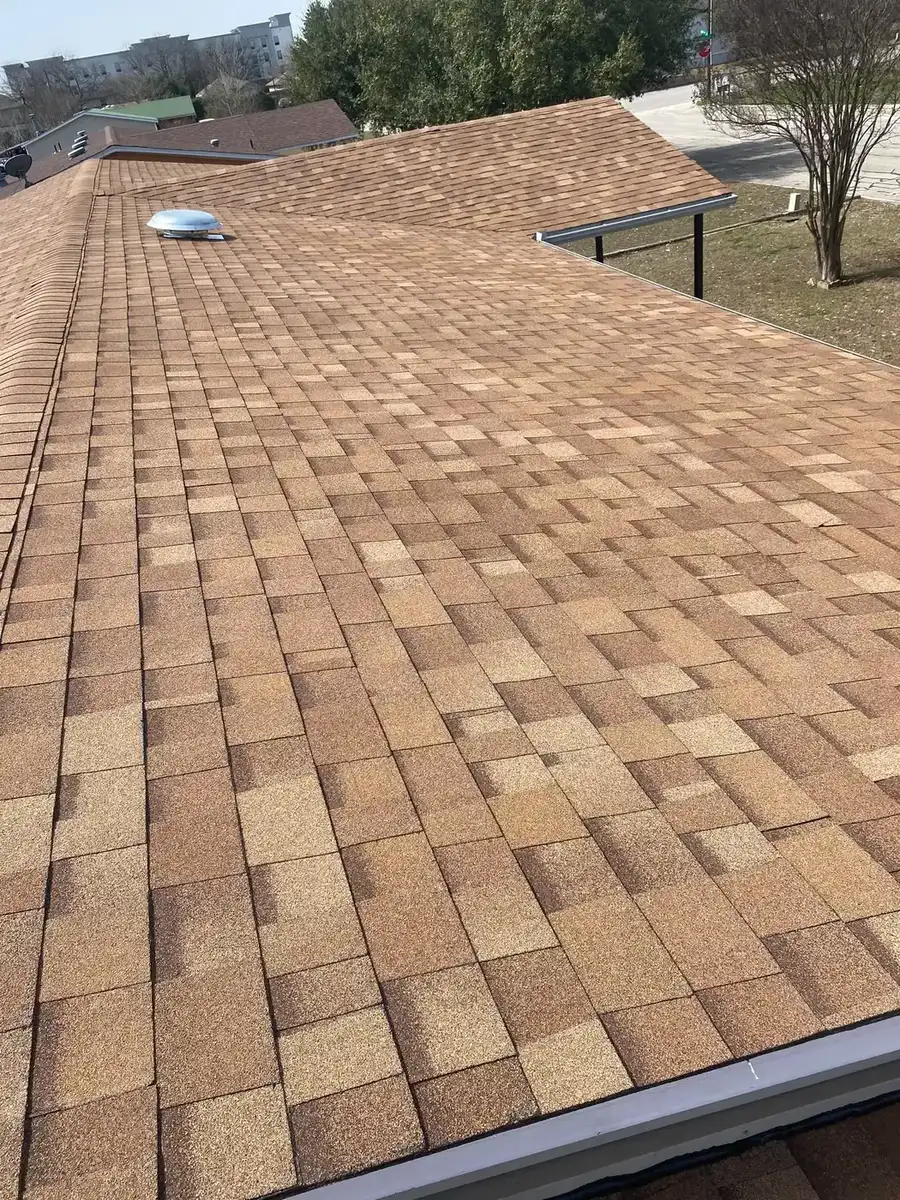
A roof rarely fails overnight. In most cases it sends signals for months or years first: a few shingles out of place, a stain on the ceiling, granules in the gutter. The problem is that most of us never look at our roof until water is coming through it.
In South Texas, roofs work harder than in most places. Long, hot summers, strong sun, spring hail and sudden heavy rain all take a toll. Here are nine signs your roof may be near the end of its life, what each one usually means, and when a repair is enough.
1. Your roof is getting old
Age is the first thing to check. Asphalt shingle roofs in our climate commonly last around two decades, and sometimes less after rough hail seasons. If your shingle roof is approaching that age, it is worth having it inspected even if you do not see problems yet.
If you do not know how old your roof is, check your home purchase paperwork or ask neighbors who built or reroofed around the same time. Homes in the same subdivision often got roofs in the same years.
2. Curling, cracking or missing shingles
Shingles that curl at the edges, cup in the middle or crack are drying out, usually from years of sun and heat. Shingles that are missing after a windy day mean the sealant strips are no longer holding.
A few missing shingles after one storm can often be repaired. Curling and cracking across large areas of the roof usually means the whole roof is aging out.
3. Granules in the gutters or at the downspouts
Asphalt shingles are covered in small granules that protect them from UV. When you start seeing piles of sand-like grit at the bottom of your downspouts or in the gutters, the shingles are losing that protection. Some granule loss is normal on a brand new roof, but heavy loss on an older roof is a clear warning.
Hail also knocks granules loose. If you see dark, bare spots on shingles after a storm, have the roof looked at.
4. Water stains on ceilings or in the attic
A brown ring on the ceiling, peeling paint near the top of a wall, or damp insulation in the attic all point to water getting in somewhere. Take a flashlight into the attic after a heavy rain and look for wet wood, dark streaks or daylight coming through.
Not every leak means a new roof. Many leaks start at flashing around a chimney, a cracked pipe boot or a damaged vent, and those can be fixed. But repeated leaks in different places usually mean the roof as a whole is wearing out.
5. A sagging roof line
Stand at the street and look along the ridge and the roof planes. They should be straight. A dip or sag can mean the decking underneath has been wet long enough to weaken, or that there is a structural issue. This one should not wait. Call a roofer to take a look soon.
6. Moss, algae or dark streaks
Dark streaks are often algae and are mostly cosmetic. Moss is less common in our dry climate, but where it grows in shady spots it holds moisture against the shingles and lifts them. Either way, it is worth checking the condition of the shingles underneath.
7. Rust, loose screws or leaks on a metal roof
Metal roofs have their own warning signs. On exposed fastener roofs like R-panel, the rubber washers on the screws can dry out and crack in the sun, which lets water in at each screw. Screws can also back out over time. Rust spots, especially at the edges, seams or around old fasteners, mean the coating is breaking down.
Many metal roof problems can be repaired by replacing fasteners and sealing trim. Widespread rust or panels that are badly damaged are a sign it may be time for new metal.
8. Higher energy bills and a hot attic
If your upstairs is getting hotter and your cooling bill keeps climbing, poor attic ventilation or a failing roof may be part of the problem. Blocked or missing ridge vents and broken turbines trap heat in the attic, which also cooks your shingles from below and shortens their life.
9. Storm damage you can see from the ground
After a hail or wind storm, look for dented gutters, vents and AC units, torn or missing shingles, and debris on the roof. If the storm damaged things around your home, the roof may have taken hits too. Have it inspected before small damage turns into a leak.
Repair or replace?
If the problem is in one area and the rest of the roof is in good shape, a repair usually makes sense. If the roof is old, problems are spread out, or you are repairing the same roof again and again, replacement is often the better use of your money.
The fastest way to know is to have someone look. Alanis Roofing offers free estimates with no trip fee across Devine, San Antonio, Castroville, Lytle, Natalia and the rest of South Texas, with same day response, and will tell you honestly whether a repair is enough.
Frequently asked questions
- How long does a roof last in Texas?
- Asphalt shingle roofs in South Texas commonly last around two decades, sometimes less after heavy hail. Metal roofs typically last considerably longer.
- Can a leak be fixed without replacing the roof?
- Often yes. Many leaks come from flashing, pipe boots or vents and can be repaired. Repeated leaks in different spots usually point to a roof that is wearing out.
- Is granule loss a sign I need a new roof?
- Heavy granule loss on an older roof is a strong warning sign. Some loss is normal on a new roof. Bare spots after a storm can mean hail damage.
- What should I do if my roof is leaking right now?
- Protect your belongings, catch the water, and call a roofer. Alanis Roofing handles emergency roof calls 24/7 at (210) 318-9811.
Found this helpful? Make us a preferred source on Google.
Want a real number for your roof?
Andres comes out, looks at your roof and gives you a free estimate. No visit fee, same-day reply.